

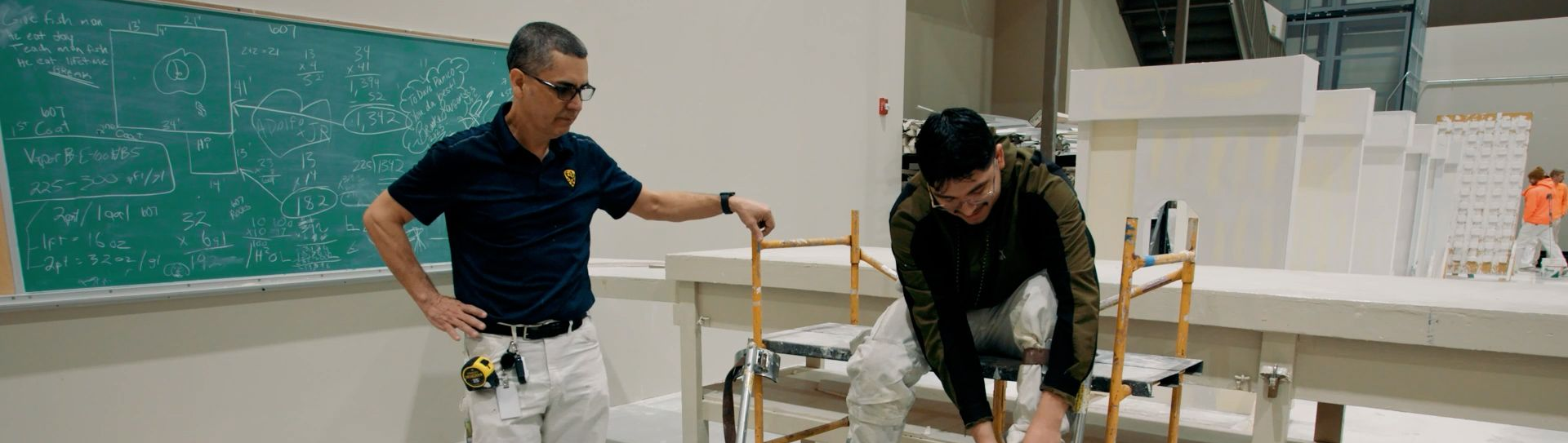
Innovation isn’t just about new technology—it’s about mindset. At NCIFTI, we believe that creativity is a crucial skill for success in technical trades, whether students are learning woodworking, electrical systems, fabrication, or advanced manufacturing. Technical skills form the foundation of any trade, but creative thinking allows students to approach problems differently, develop unique solutions, and adapt to changing industry demands. For example, a student working on a fabrication project might combine traditional techniques with modern materials to create a design that’s both functional and visually compelling. NCIFTI fosters this creative mindset through hands-on projects, collaborative workshops, and access to innovation labs. Students are encouraged to experiment, prototype, and iterate on their ideas in a supportive environment. Mentorship programs also play a key role, as experienced professionals guide students in thinking outside the box while maintaining practical skill and safety standards. Ultimately, cultivating creativity in technical trades isn’t just about producing innovative products—it’s about developing confident, adaptable professionals who can solve real-world problems and contribute meaningfully to their communities and industries. By blending craftsmanship with creative problem-solving, NCIFTI ensures students are prepared for a future where innovation and engagement go hand in hand . Key Takeaw ays: Creativity enhances technical skill and problem-solving abilities. Hands-on projects and innovation labs provide practical outlets for creative thinking. Mentorship helps students combine imaginative ideas with practical experience. Encouraging creative approaches equips students for success in dynamic industries.

Collaboration with local businesses and unions creates dynamic learning environments. This post highlights case studies where students and community partners achieve shared success.
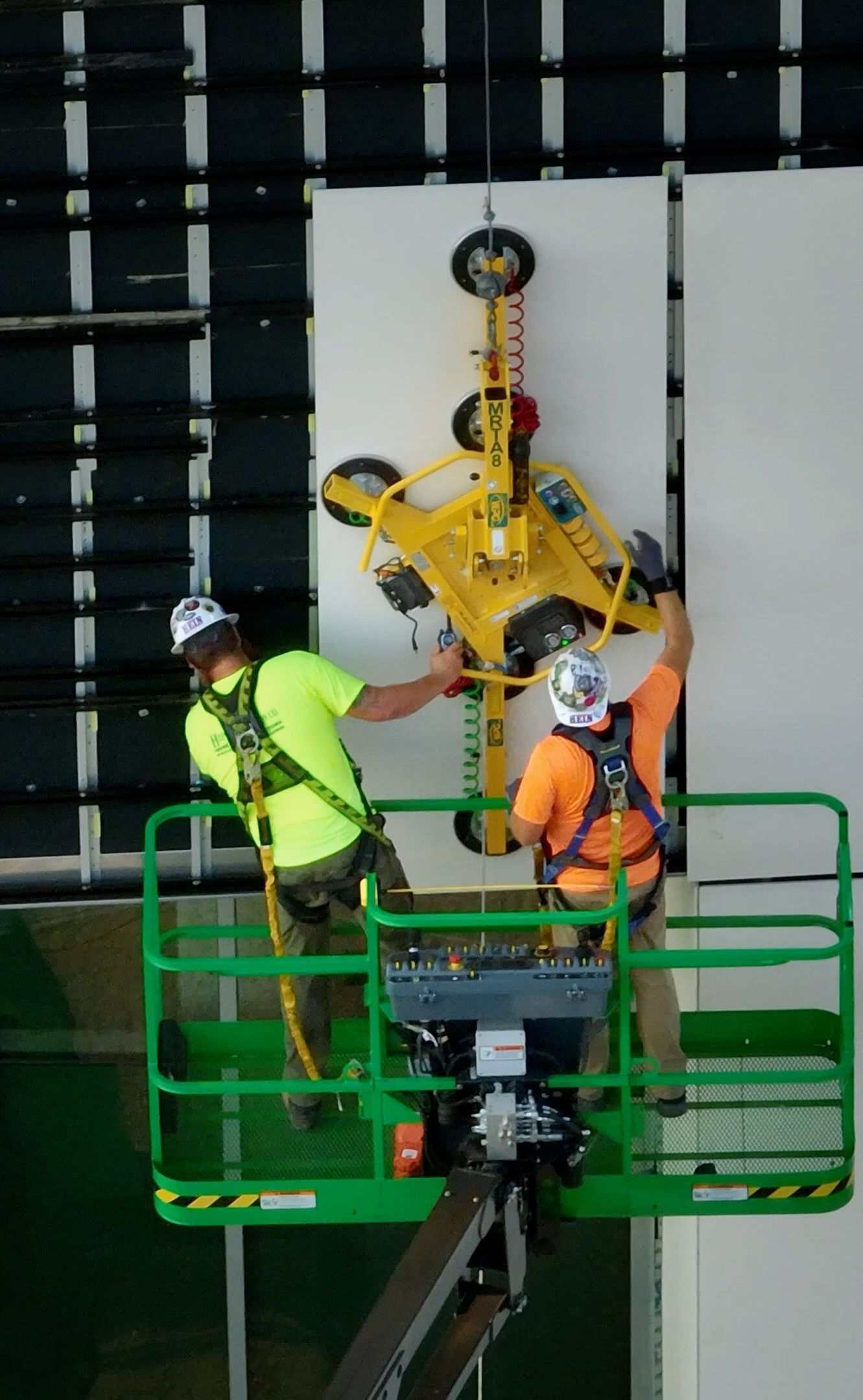
From digital fabrication tools to advanced materials, technology is reshaping traditional trades. Explore how NCIFTI integrates modern techniques into its curriculum to enhance skill-building and creative problem-solving.